
Understanding Diverse Learners
Key Understanding Diverse Learners: Creating Classrooms Where Every Student Can Thrive
Every classroom is filled with students who bring different strengths, needs, cultures, languages, interests, learning preferences, and life experiences. Understanding diverse learners means recognizing that there is no single “average” student. Instead of expecting all learners to fit one method, effective educators design learning environments that are flexible, inclusive, and responsive from the start.
What Makes Learners Diverse?
Diversity in learning includes far more than academic ability. Students may differ in language background, disability status, culture, prior knowledge, attention, motivation, family responsibilities, access to technology, confidence, and the ways they process information. Some students need additional support with reading or executive functioning, while others may need enrichment, choice, or opportunities to connect learning to their identities and communities.
Moving Beyond One-Size-Fits-All Teaching
Inclusive teaching begins with the belief that learner variability is normal. When students struggle, the first question should not be, “What is wrong with this student?” but rather, “What barriers might be getting in the way of learning?” This mindset helps teachers adjust instruction, materials, classroom routines, and assessments so students have multiple pathways to success.
Strategies for Supporting Diverse Learners
- Use multiple ways to teach content. Provide information through text, visuals, discussion, audio, demonstrations, and hands-on activities.
- Offer choice in how students show learning. Allow learners to demonstrate understanding through writing, presentations, projects, drawings, recordings, or collaborative work when appropriate.
- Build on students’ backgrounds. Include examples, texts, and discussions that reflect varied cultures, languages, communities, and lived experiences.
- Scaffold challenging tasks. Break complex assignments into smaller steps, model expectations, provide sentence starters, and gradually release responsibility.
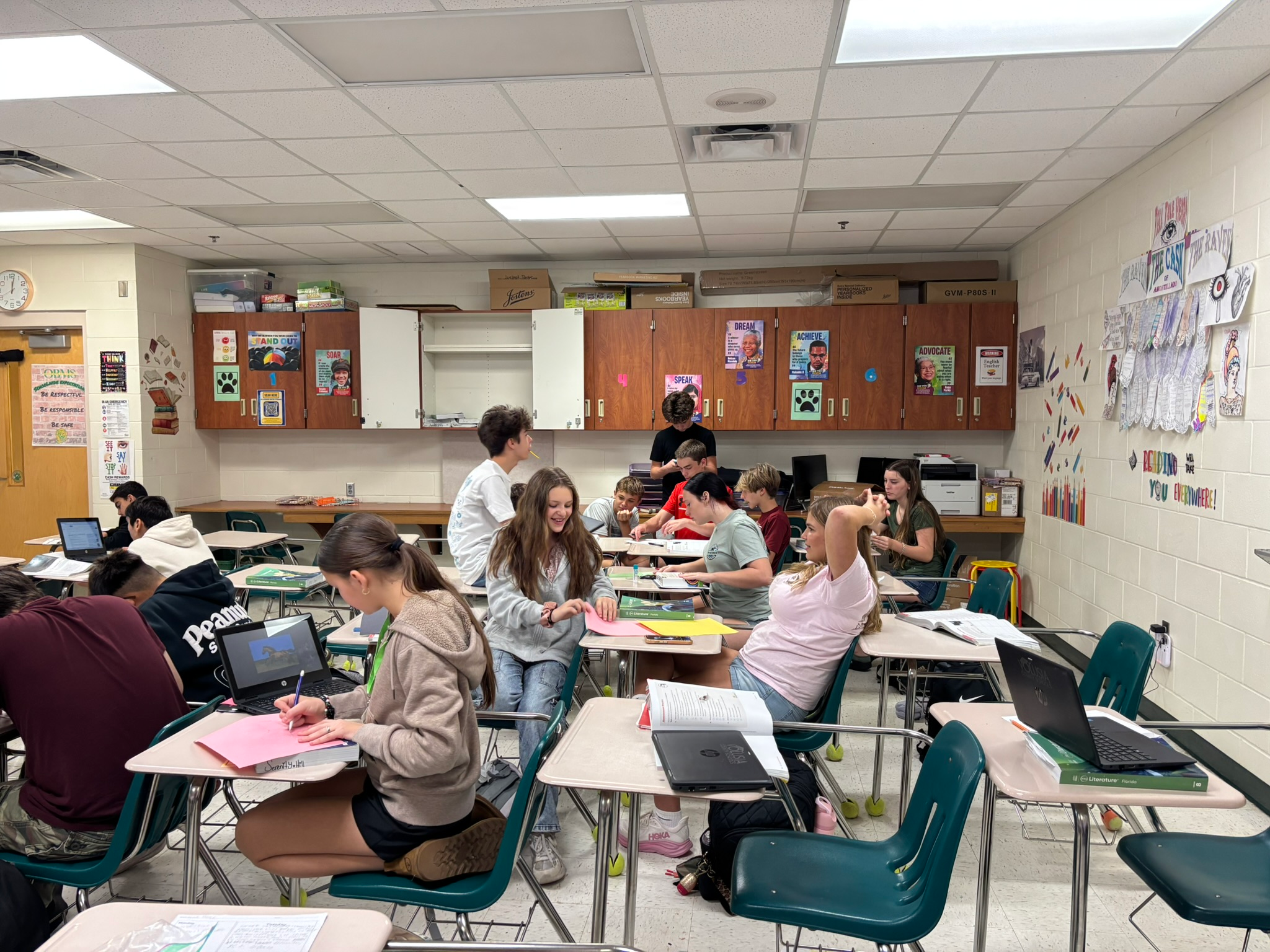
- Use flexible grouping. Let students work independently, with partners, in small groups, and as a whole class depending on the goal of the lesson.
- Check understanding often. Use quick reflections, exit tickets, discussions, and informal observations to identify who needs support or extension.
Creating a Classroom Culture of Belonging
Students are more likely to take risks, ask questions, and persist through challenges when they feel respected and included. A classroom culture of belonging is built through consistent routines, high expectations, respectful language, student voice, and relationships rooted in trust. Teachers can support belonging by learning students’ names, honoring their perspectives, addressing bias, and making it clear that every learner has something valuable to contribute.
Final Thoughts
Understanding diverse learners is not about creating a separate plan for every student. It is about designing learning with flexibility, empathy, and equity in mind. When educators anticipate differences and remove barriers, they create classrooms where more students can participate meaningfully, grow confidently, and see themselves as capable learners.